Sun damage, crepey texture, and the fine vertical lines that develop with age and side-sleeping.
The chest skin is thinner than facial skin, has fewer sebaceous glands, and gets more cumulative sun exposure than almost any other area of the body. Clients who've been religious about facial sunscreen often haven't extended the habit to the chest. The result is visible in middle age: brown spots, broken capillaries, fine lines, and crepey texture.
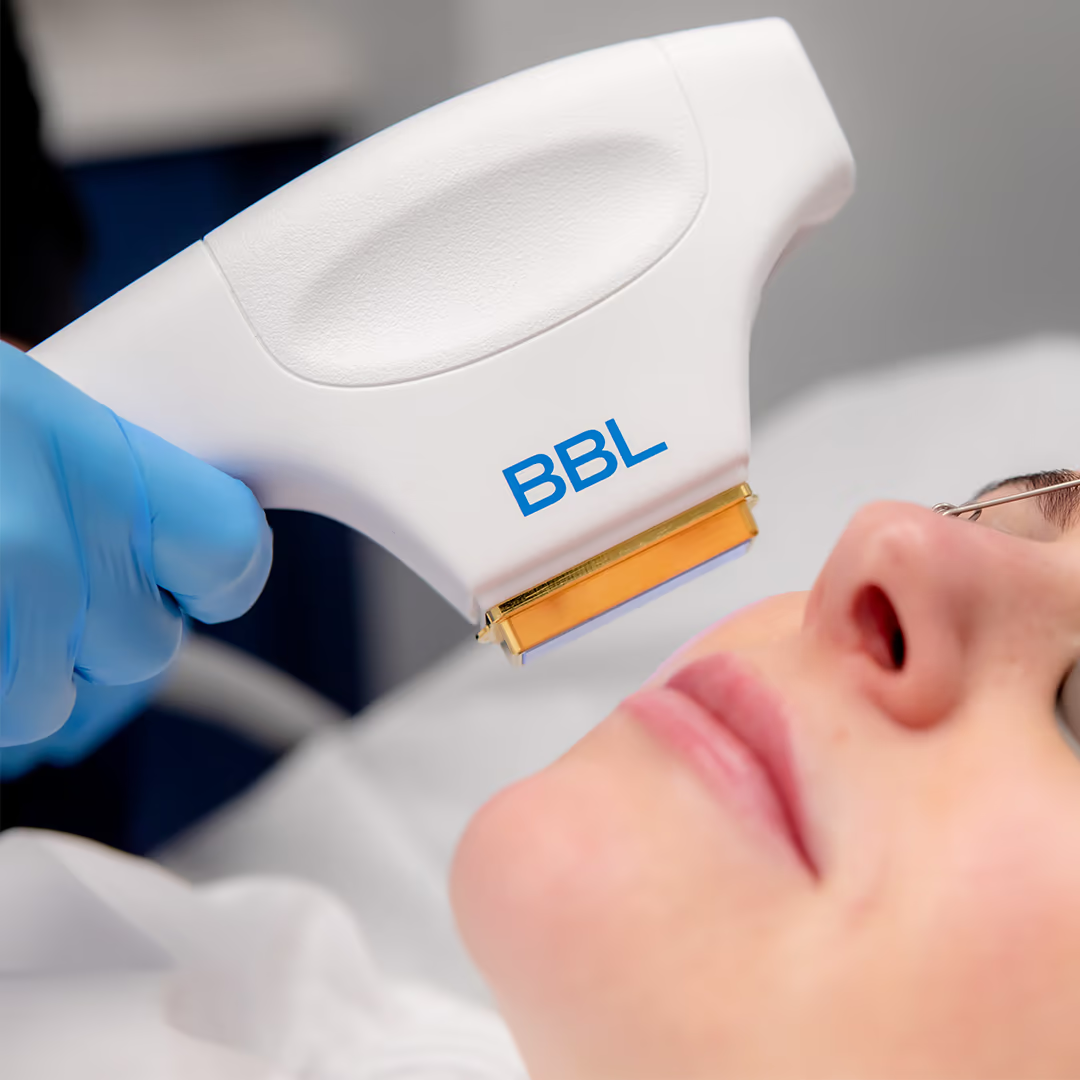
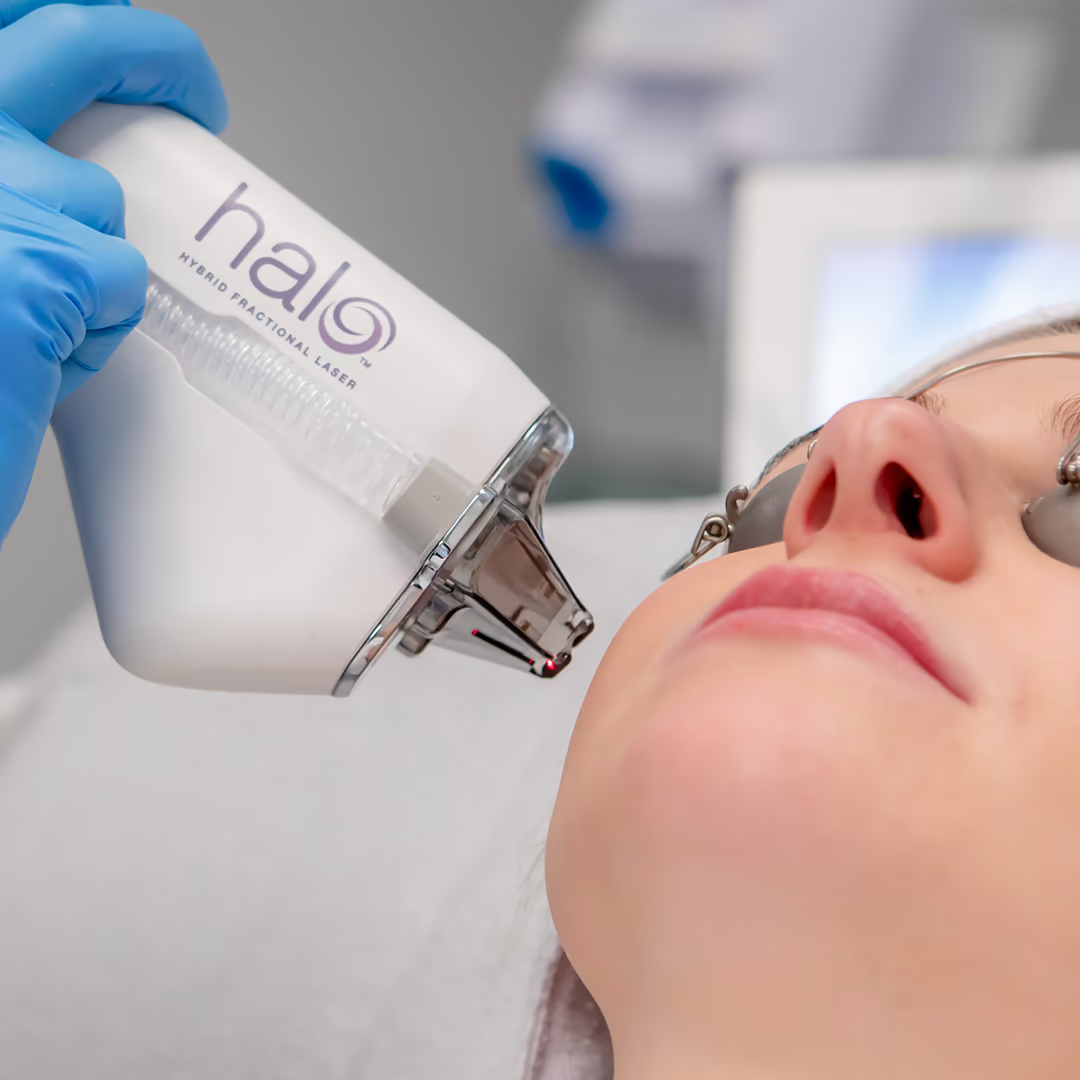
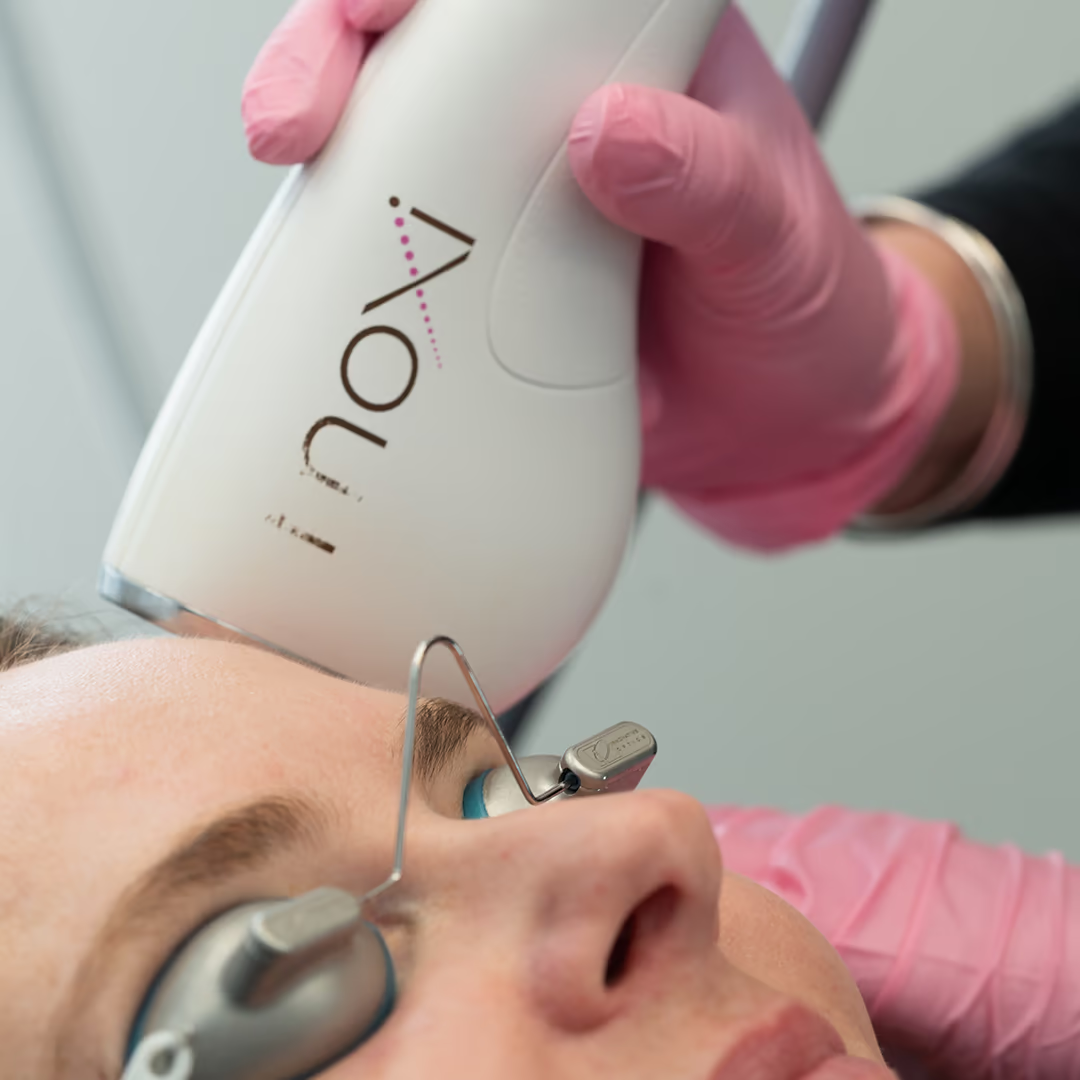
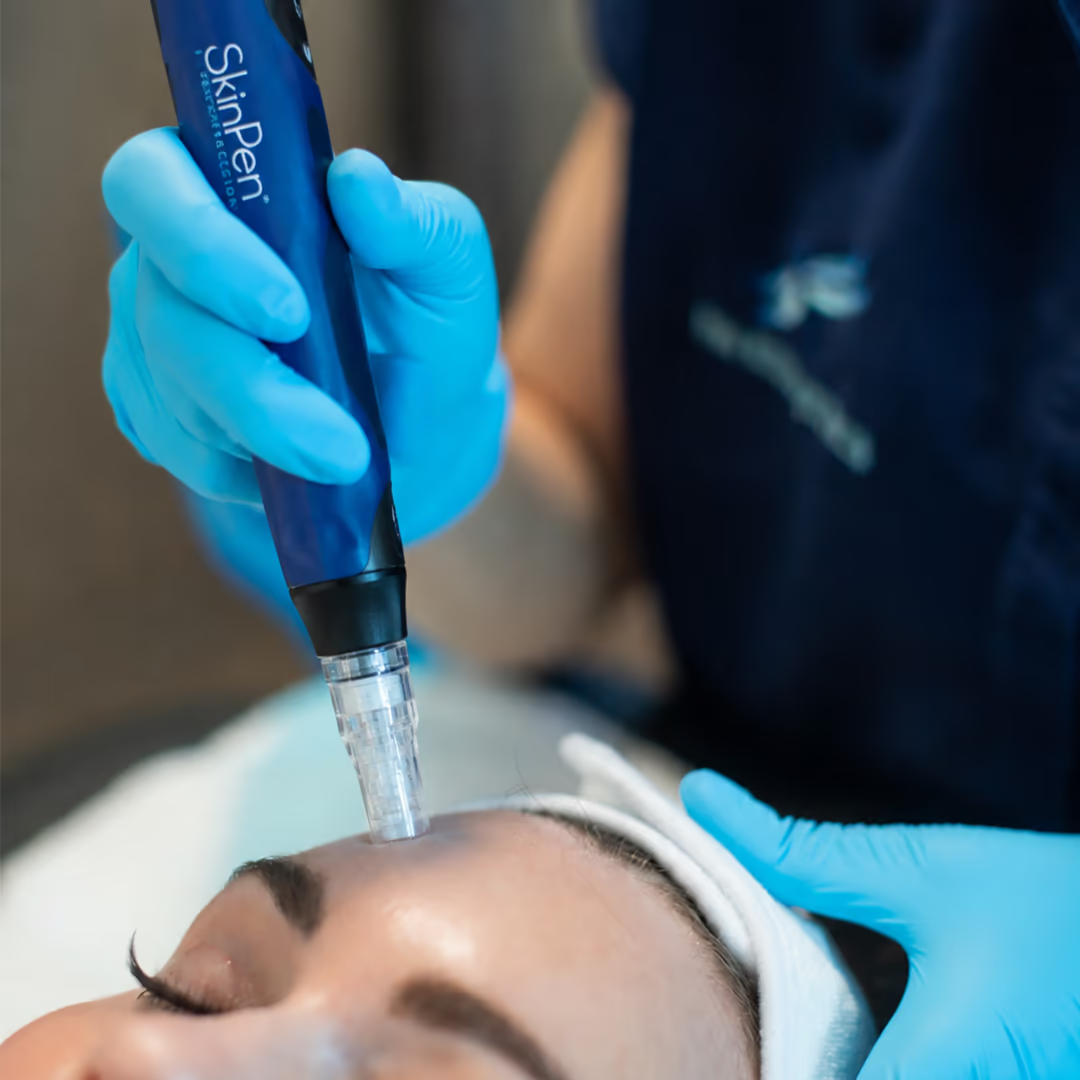
The chest responds well to the same treatments used on the face. Lasers like BBL and Halo address pigment and texture. Microneedling and Sculptra build collagen. Chemical peels improve surface quality. The work takes longer than face work because the chest skin is thinner and heals more slowly, but the results are dramatic.
Three structural realities shape chest aging.
Skin on the chest is thinner than facial skin, with less oil and fewer protective glands.
Sun exposure is cumulative across decades, with the V-neckline area often receiving the most damage.
Sleep position creates vertical lines in side-sleepers from chest compression overnight.
Treatment addresses pigment, texture, lines, and structure depending on what the chest needs.
Chest aging accelerates in the forties and fifties. Brown spots, broken capillaries, crepey texture, and vertical sleep lines combine. Some clients have all four. Others have one or two.
Skin tone, sun history, and habits like side-sleeping shape the specific pattern. Treatment plans are individualized.
Most chest concerns in this decade are still preventable. Daily SPF and consistent skincare extended to the chest area prevent the changes that show up decades later.
Brown spots and minor texture changes begin. Treatment is uncommon but starts for some clients with significant sun history.
Most clients first notice chest changes in this decade. Brown spots, fine lines, and crepey texture combine. Treatment plans become layered and multi-modal.
Significant cumulative damage is common. Treatment combines laser, surface work, and biostimulator for the most dramatic results.
Chest treatment is layered and patient. The skin is thinner than the face, so we use lower laser settings and longer recovery windows. We build a plan that combines pigment correction, surface treatment, and structural support.
For most clients, the first phase is laser for pigment, usually BBL or Halo across two to three sessions spaced four to six weeks apart. The second phase is surface work, typically SkinPen with growth factor or chemical peels. The third phase, when relevant, is biostimulator like Sculptra or Radiesse for structural rebuilding.
Results compound across the series. The chest at session six looks dramatically different from the chest at session one.
Each location has its own character. All three share the same standard of care.
.png)

Had my first blood draw today with it was INCREDIBLE!!! Also the front desk were all so pleasant especially Kelsie! I highly recommend RN Esthetics!!

I was truly blown away after my appointment here. Every single person I interacted with, from the front desk to the providers who handled my treatments, was incredible! They made me feel so welcomed and cared for, and were both informative and genuinely kind. The space itself is spotless, cozy, and easily the most inviting place I’ve ever been for Botox. Michelle did my Botox and she was amazing! I also had a hydrafacial and dermaplaning, and I already can’t wait to come back again and again.You will not regret booking here!

I highly recommend RN Esthetics! The staff is welcoming, knowledgeable, and helpful without making you feel rushed. The facility is spotless and clean, which made me feel even more comfortable and confident being there. Great experience overall!