Active acne is more medical than aesthetic. Our role is supportive: gentle, in-office treatments alongside a skincare plan, with dermatology coordination when the disease is more advanced.
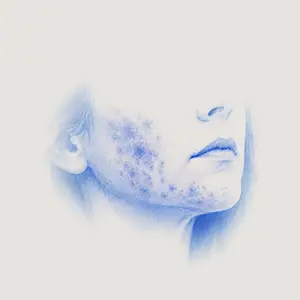
Acne is a multifactorial inflammatory condition driven by excess oil production, follicular blockage, bacterial overgrowth (specifically Cutibacterium acnes), and inflammation. It presents in many forms: blackheads, whiteheads, papules, pustules, nodules, and cysts.
The pattern matters for treatment. Mild acne with surface comedones responds to skincare and in-office treatments. Moderate inflammatory acne may need prescription topicals. Severe nodulocystic acne typically requires dermatology coordination and may benefit from oral medications like isotretinoin.
Clients come in tired of cycles. They've tried multiple over-the-counter products. They want a plan that combines professional treatment with appropriate medical management. Some need referral to dermatology; some benefit from a layered in-office and skincare approach we can provide directly.
Four primary factors drive acne.
Sebum production increases with hormonal shifts, stress, and genetics. More oil means more potential for follicular blockage.
Follicular blockage from dead skin cells, sebum, and debris creates the comedone that's the starting point of every acne lesion.
Bacterial overgrowth of Cutibacterium acnes (formerly P. acnes) within blocked follicles drives inflammation.
Inflammation from the bacterial overgrowth produces the red, painful papules, pustules, and cysts.
Hormonal acne adds a layer. Androgen activity (testosterone-related hormones) drives oil production. Hormonal fluctuations from menstrual cycle, pregnancy, PCOS, perimenopause, or hormonal birth control can all trigger or worsen acne.
Acne appears in distinct patterns.
Blackheads and whiteheads (comedonal acne) cluster on the T-zone, particularly forehead, nose, and chin.
Inflammatory papules and pustules appear with redness and tenderness, most often on the face, chest, and back.
Nodules and cysts are deeper, painful lesions that can scar without treatment.
Hormonal acne specifically tends to cluster on the lower face, jawline, and chin, often appearing in cycles tied to menstrual timing.
Acne can appear at any age. Teen acne is largely driven by puberty hormones. Adult acne in the twenties through fifties is often hormonally driven, particularly in women, and may persist or appear newly in clients who never had teen acne.
Pregnancy, perimenopause, and PCOS all affect acne patterns. Treatment plans adjust to the underlying drivers.
Acne management is layered and matches severity.
Topical retinoids (tretinoin, adapalene) normalize cell turnover and prevent comedones.
Topical antibiotics (clindamycin, dapsone) reduce bacterial overgrowth.
Oral antibiotics (doxycycline, minocycline) at anti-inflammatory doses for moderate acne.
Hormonal treatments (spironolactone, certain birth control pills) for hormonal acne.
Isotretinoin (Accutane) for severe nodulocystic acne.
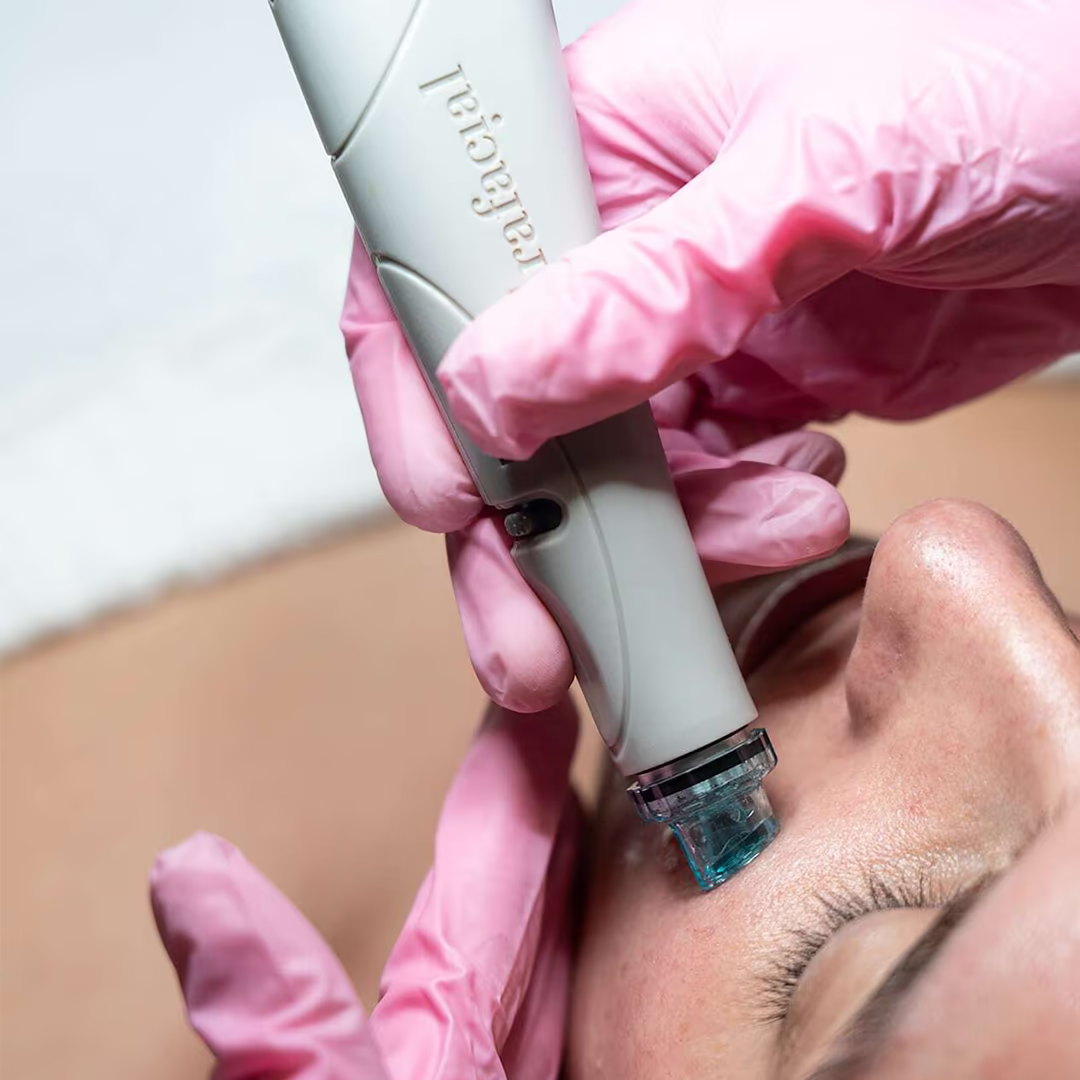
In-office treatments (HydraFacial, chemical peels, light therapy, microneedling) as adjuncts.
We're honest. Active acne is a medical condition, and our role is supportive. We coordinate with dermatology when prescription management is the right primary tool.
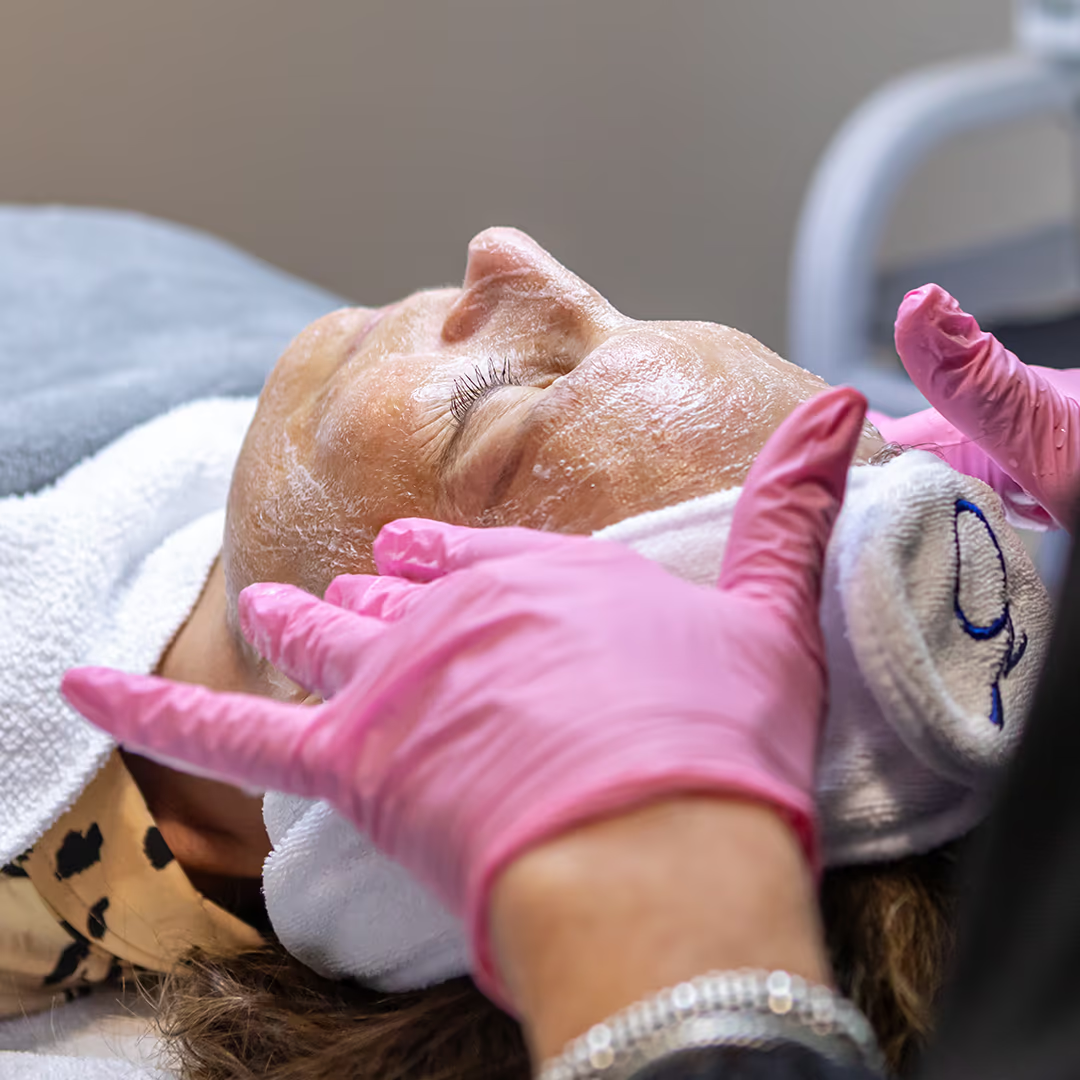
For mild acne, we provide in-office adjunctive treatments: HydraFacial with salicylic acid boosters, gentle chemical peels with salicylic or glycolic acid, and LED light therapy. We provide medical-grade skincare with retinoids, antioxidants, and barrier support.
For moderate to severe acne, we recommend dermatology coordination. We can continue providing in-office adjunctive treatments alongside their medical management.
Microneedling and energy-based treatments are typically paused during active acne flares because they can spread bacteria. We resume those for scar management once the active acne is controlled.
At RN Esthetics, every treatment starts with listening. We are nurse practitioners, registered nurses and estheticians who treat every client as the hero of their own story.
.png)

Had my first blood draw today with it was INCREDIBLE!!! Also the front desk were all so pleasant especially Kelsie! I highly recommend RN Esthetics!!

I was truly blown away after my appointment here. Every single person I interacted with, from the front desk to the providers who handled my treatments, was incredible! They made me feel so welcomed and cared for, and were both informative and genuinely kind. The space itself is spotless, cozy, and easily the most inviting place I’ve ever been for Botox. Michelle did my Botox and she was amazing! I also had a hydrafacial and dermaplaning, and I already can’t wait to come back again and again.You will not regret booking here!

I highly recommend RN Esthetics! The staff is welcoming, knowledgeable, and helpful without making you feel rushed. The facility is spotless and clean, which made me feel even more comfortable and confident being there. Great experience overall!