Hair thinning is the early window where treatment works best. PRP and microneedling can strengthen existing hair, slow progression, and in some cases regrow what's been lost.

Hair thinning is the early stage of hair density loss, characterized by gradually reduced volume, thinner hair shafts, more visible scalp, and increased shedding. It precedes the more pronounced patterns of established hair loss.
The underlying cause varies. Genetic predisposition (androgenetic alopecia), hormonal shifts, nutritional deficiencies, stress, and certain medications can all contribute. Treatment is most effective during this early window before significant follicular damage.
Clients come in noticing changes they've been trying to ignore. Family history of hair loss. Photos that show more scalp. Hair that doesn't feel like it used to. Early intervention with PRP and microneedling produces meaningful improvement.
Several factors contribute to hair thinning.
Genetics are the strongest determinant. Androgenetic patterns are inherited.
Hormonal changes particularly androgens, drive much of pattern hair thinning. Postpartum, perimenopause, and PCOS can all shift hair density.
Nutritional deficiencies particularly iron, vitamin D, and protein, affect hair growth.
Thyroid disorders can cause sudden or persistent thinning.
Stress can trigger telogen effluvium, shifting hair follicles into the shedding phase.
Certain medications including some blood pressure, mood, and hormonal medications, can affect hair growth.
Early hair thinning shows as gradually reduced ponytail circumference, more scalp visible at the part, thinner hair shafts, and increased shedding during washing and brushing.
Many clients first notice it when their hair feels different, requires more product to style, or doesn't hold styles as well.
Hair thinning typically progresses gradually. Without treatment, it often advances to more visible hair loss patterns. The follicles themselves can become inactive over time, at which point treatment becomes much less effective.
With early treatment, hair density can be maintained or improved meaningfully. Late-stage treatment is much less effective.
Hair thinning responds to several modalities.
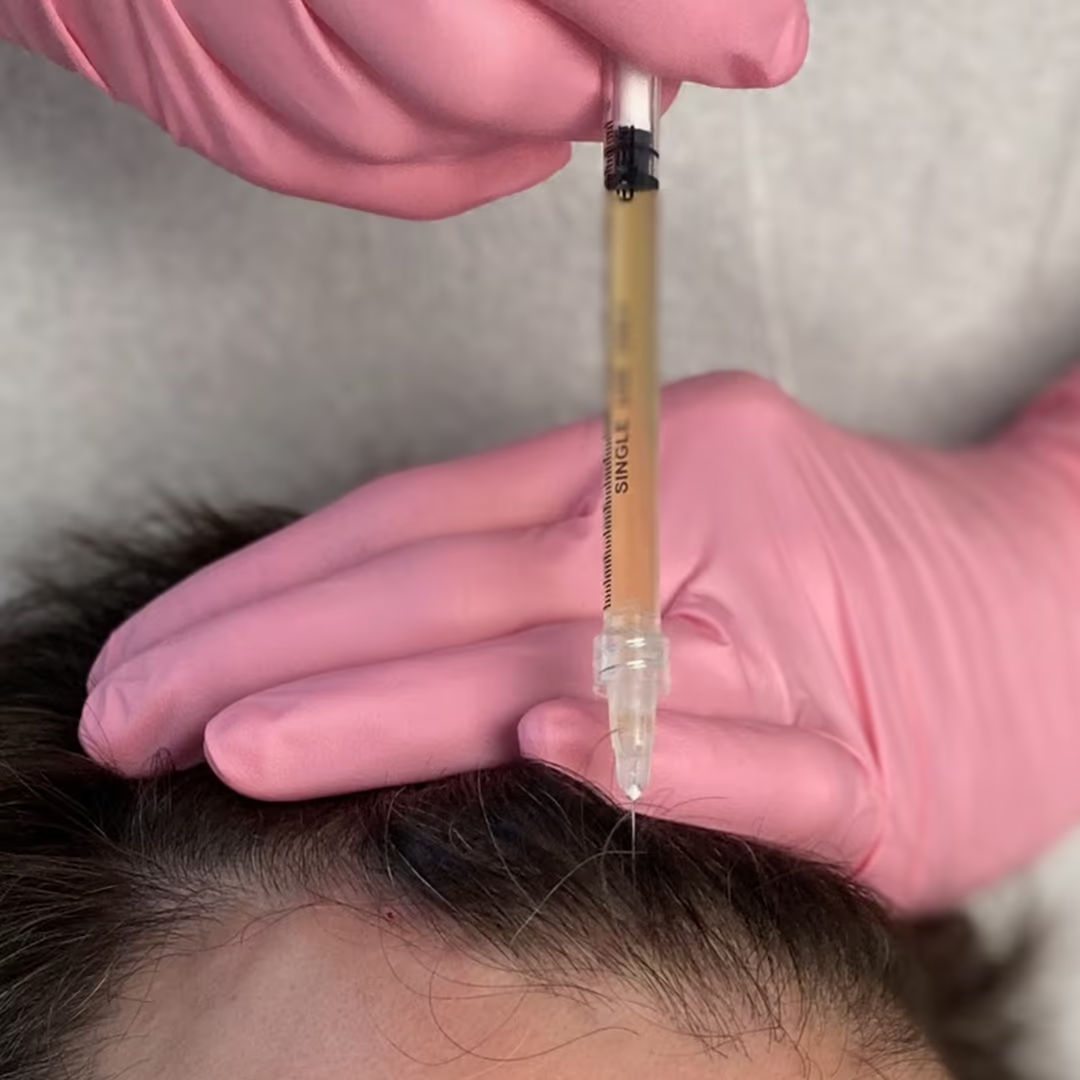
PRP (platelet-rich plasma) injected into the scalp stimulates dormant follicles and improves hair shaft thickness.
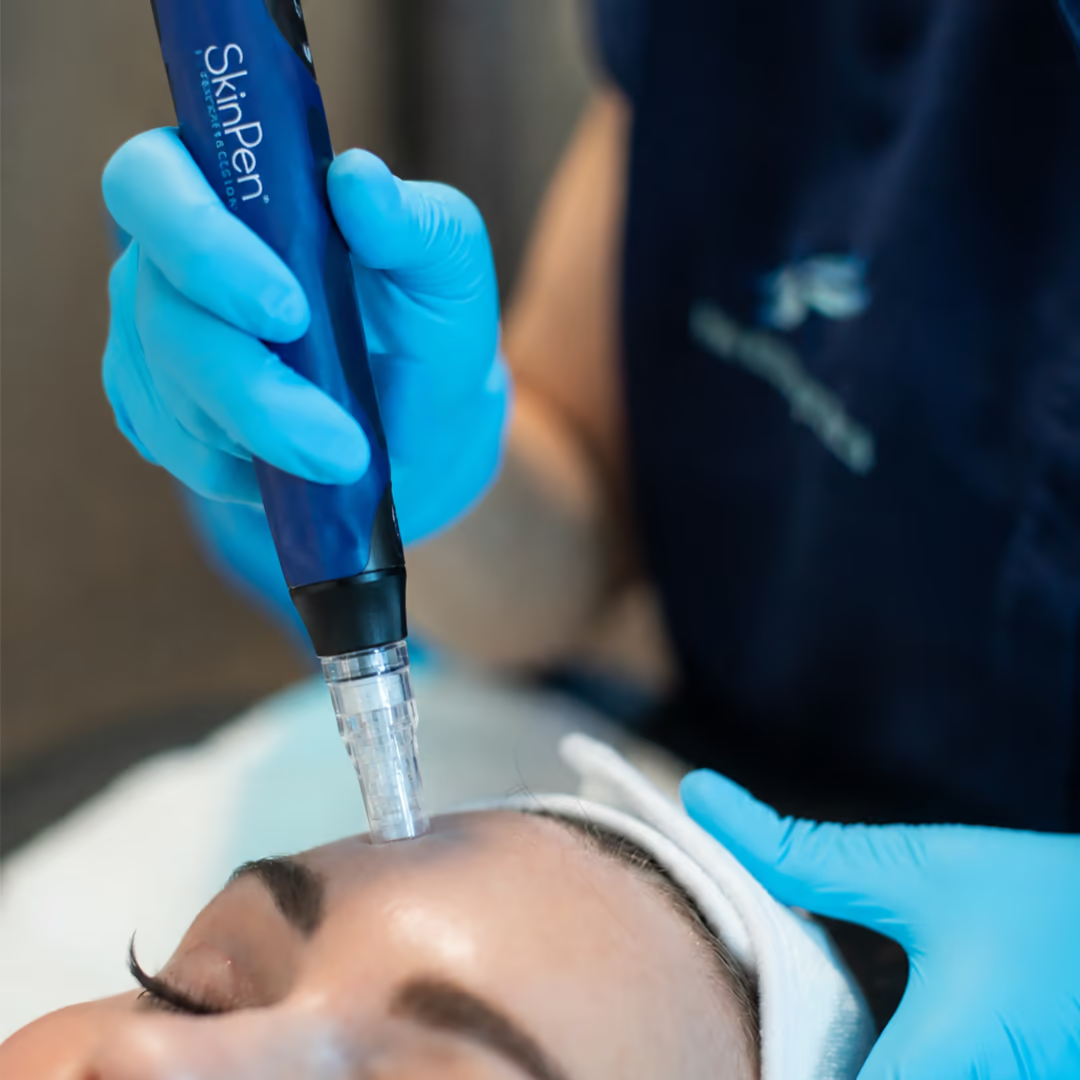
Microneedling of the scalp stimulates growth factor release and can be combined with PRP for enhanced effect.
Topical minoxidil (Rogaine) extends the growth phase of hair follicles.
Oral finasteride for men or oral spironolactone for women blocks the hormones driving thinning (prescribed by physicians, not us directly).
Low-level laser therapy (LLLT) caps may produce modest improvement.
Nutritional optimization through bloodwork-guided supplementation.
Our approach is PRP combined with microneedling.
PRP uses the client's own blood platelets concentrated and injected into the scalp. The growth factors stimulate dormant follicles and improve hair shaft thickness. Most clients see initial results after three sessions spaced four to six weeks apart.
We typically combine PRP with scalp microneedling to enhance the effect. The microneedling creates micro-injuries that release additional growth factors and improve absorption.
We coordinate with primary care providers or dermatologists for clients who may benefit from prescription medications like finasteride, minoxidil, or spironolactone. These often work synergistically with PRP.
We also recommend bloodwork to check ferritin, vitamin D, thyroid, and other markers. Nutritional deficiencies are common contributors.
At RN Esthetics, every treatment starts with listening. We are nurse practitioners, registered nurses and estheticians who treat every client as the hero of their own story.
.png)

Had my first blood draw today with it was INCREDIBLE!!! Also the front desk were all so pleasant especially Kelsie! I highly recommend RN Esthetics!!

I was truly blown away after my appointment here. Every single person I interacted with, from the front desk to the providers who handled my treatments, was incredible! They made me feel so welcomed and cared for, and were both informative and genuinely kind. The space itself is spotless, cozy, and easily the most inviting place I’ve ever been for Botox. Michelle did my Botox and she was amazing! I also had a hydrafacial and dermaplaning, and I already can’t wait to come back again and again.You will not regret booking here!

I highly recommend RN Esthetics! The staff is welcoming, knowledgeable, and helpful without making you feel rushed. The facility is spotless and clean, which made me feel even more comfortable and confident being there. Great experience overall!