Postpartum hair loss is more common than most clients expect. It's also more temporary than it feels. Our role is supportive, not aggressive.
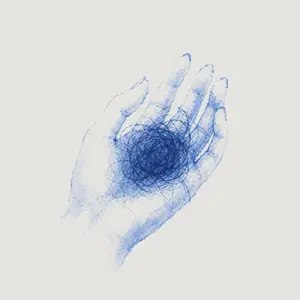
Postpartum hair loss is a form of telogen effluvium triggered by the dramatic hormonal shifts after pregnancy. During pregnancy, elevated estrogen extends the growth phase of hair follicles, often producing the famously thick pregnancy hair. After delivery, estrogen drops sharply and the hair that was held in growth phase shifts to shedding phase simultaneously.
The result is heavy shedding that typically starts two to four months postpartum and continues for several months. It usually resolves on its own within six to twelve months as the hair cycle normalizes.
Clients come in worried by visible shedding during an already stressful time. They want reassurance about whether this is normal and what they can do to support recovery. Treatment is gentle, supportive, and patient.
Postpartum hair loss has a specific hormonal trigger.
Estrogen drop after delivery shifts a large percentage of hair follicles from growth phase to shedding phase simultaneously, producing visible shedding two to four months later.
Nutritional depletion from pregnancy and breastfeeding can worsen the shedding, particularly if iron, vitamin D, or protein are low.
Sleep deprivation and stress in the postpartum period can extend or worsen the shedding.
Thyroid changes after pregnancy are common and can drive hair loss independently. Postpartum thyroiditis should be ruled out if symptoms persist.
Heavy shedding two to four months after delivery, often noticed in the shower, on the pillow, or in the brush. Visible thinning at the part line and temples. Some clients see baby hairs growing in around the hairline as the cycle resets.
The shedding typically peaks around four to six months postpartum and gradually resolves by twelve months. New hair growth is often visible at the hairline.
Postpartum hair loss typically resolves on its own within six to twelve months as the hair cycle normalizes. The hair that's lost typically grows back, though the texture and density may take time to fully restore.
For clients who don't see resolution by twelve months, we evaluate for other contributing factors: thyroid disorders, nutritional deficiencies, or genetic patterns that may have been unmasked by the postpartum trigger.
Postpartum hair loss is approached with patience.
Nutritional optimization through bloodwork-guided supplementation, particularly iron, vitamin D, and protein.
Gentle scalp care avoiding tight styles and aggressive heat or chemical processing.
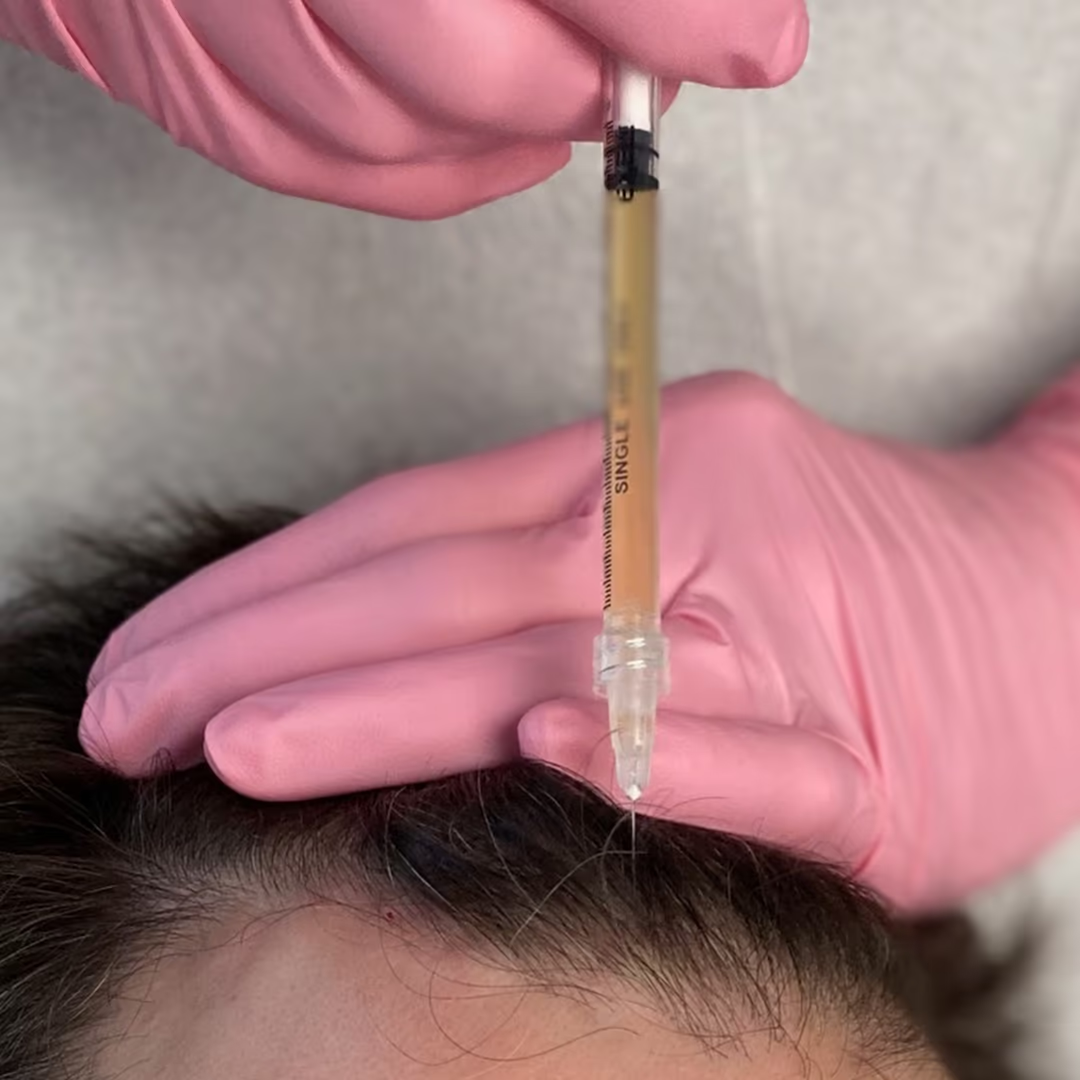
PRP and microneedling can support the recovery in clients past the breastfeeding window (these are typically paused during breastfeeding).
Topical minoxidil may help, with discussion of breastfeeding compatibility.
Thyroid evaluation if shedding persists beyond expected timeline.
Our approach to postpartum hair loss is gentle and patient.
For clients in the active shedding phase, the most important things are reassurance, nutritional support, and time. We recommend bloodwork to check ferritin, vitamin D, thyroid, and other markers. We coordinate with primary care for thyroid evaluation if indicated.
For clients who have stopped breastfeeding and want active treatment, PRP and microneedling are excellent supportive options. We typically wait until breastfeeding is complete before pursuing these.
For clients whose shedding persists beyond twelve months or whose hair doesn't recover, we evaluate more thoroughly for genetic patterns or thyroid issues.
At RN Esthetics, every treatment starts with listening. We are nurse practitioners, registered nurses and estheticians who treat every client as the hero of their own story.
.png)

Had my first blood draw today with it was INCREDIBLE!!! Also the front desk were all so pleasant especially Kelsie! I highly recommend RN Esthetics!!

I was truly blown away after my appointment here. Every single person I interacted with, from the front desk to the providers who handled my treatments, was incredible! They made me feel so welcomed and cared for, and were both informative and genuinely kind. The space itself is spotless, cozy, and easily the most inviting place I’ve ever been for Botox. Michelle did my Botox and she was amazing! I also had a hydrafacial and dermaplaning, and I already can’t wait to come back again and again.You will not regret booking here!

I highly recommend RN Esthetics! The staff is welcoming, knowledgeable, and helpful without making you feel rushed. The facility is spotless and clean, which made me feel even more comfortable and confident being there. Great experience overall!