Sleep is rarely just sleep. It's hormones, stress, jaw tension, breathing. We address the contributors we can. We refer for sleep medicine when needed.

Sleep issues encompass a range of difficulties: trouble falling asleep, frequent waking, early waking, light or fragmented sleep, or waking unrefreshed despite adequate hours.
True insomnia disorder is a medical diagnosis that requires sleep medicine evaluation. Many sleep difficulties, however, have contributing factors that can be addressed: hormonal shifts, stress, sleep apnea, teeth grinding, or lifestyle patterns. We work on these contributors.
Clients come in exhausted by years of poor sleep. They've often tried sleep hygiene approaches without significant change. We evaluate hormonal contributors, jaw tension, and other factors we can address. We refer for sleep medicine when needed.
Sleep difficulty has many possible drivers.
Hormonal patterns particularly declining progesterone and estrogen in perimenopause and menopause, drive sleep disruption in many women.
Stress and anxiety can prevent both falling asleep and staying asleep.
Sleep apnea causes fragmented sleep and chronic exhaustion. Often undiagnosed.
Teeth grinding and TMJ tension can disrupt sleep architecture.
Lifestyle factors including caffeine, alcohol, screen exposure, and irregular schedules.
Medical conditions including thyroid disorders, chronic pain, and depression.
Certain medications can affect sleep patterns.
Trouble falling asleep within thirty minutes of trying. Waking multiple times during the night. Waking too early without being able to fall back asleep. Feeling unrested despite adequate sleep hours. Daytime fatigue, irritability, or difficulty concentrating.
Sleep patterns naturally change with age and hormonal shifts. Many women experience sleep disruption beginning in perimenopause and continuing through menopause without treatment.
With appropriate intervention on the underlying drivers (hormonal, muscular, behavioral), sleep can often improve significantly. For true insomnia disorder, sleep medicine evaluation is appropriate.
Sleep management involves several modalities depending on cause.
Sleep hygiene and cognitive behavioral therapy for insomnia (CBT-I) are foundational.
Hormonal optimization through BHRT for perimenopausal or menopausal sleep disruption.
Sleep medicine evaluation for suspected sleep apnea or insomnia disorder.
Masseter Botox for clients whose sleep is disrupted by grinding or jaw tension.
Stress management through therapy, meditation, or lifestyle changes.
Medical evaluation for thyroid or other contributors.
We focus on what we can directly address.
For women in perimenopause or menopause with sleep disruption, BHRT optimization (particularly progesterone) often makes a significant difference. Progesterone has a calming effect on the central nervous system and supports sleep architecture. We discuss this in consultation with bloodwork evaluation.
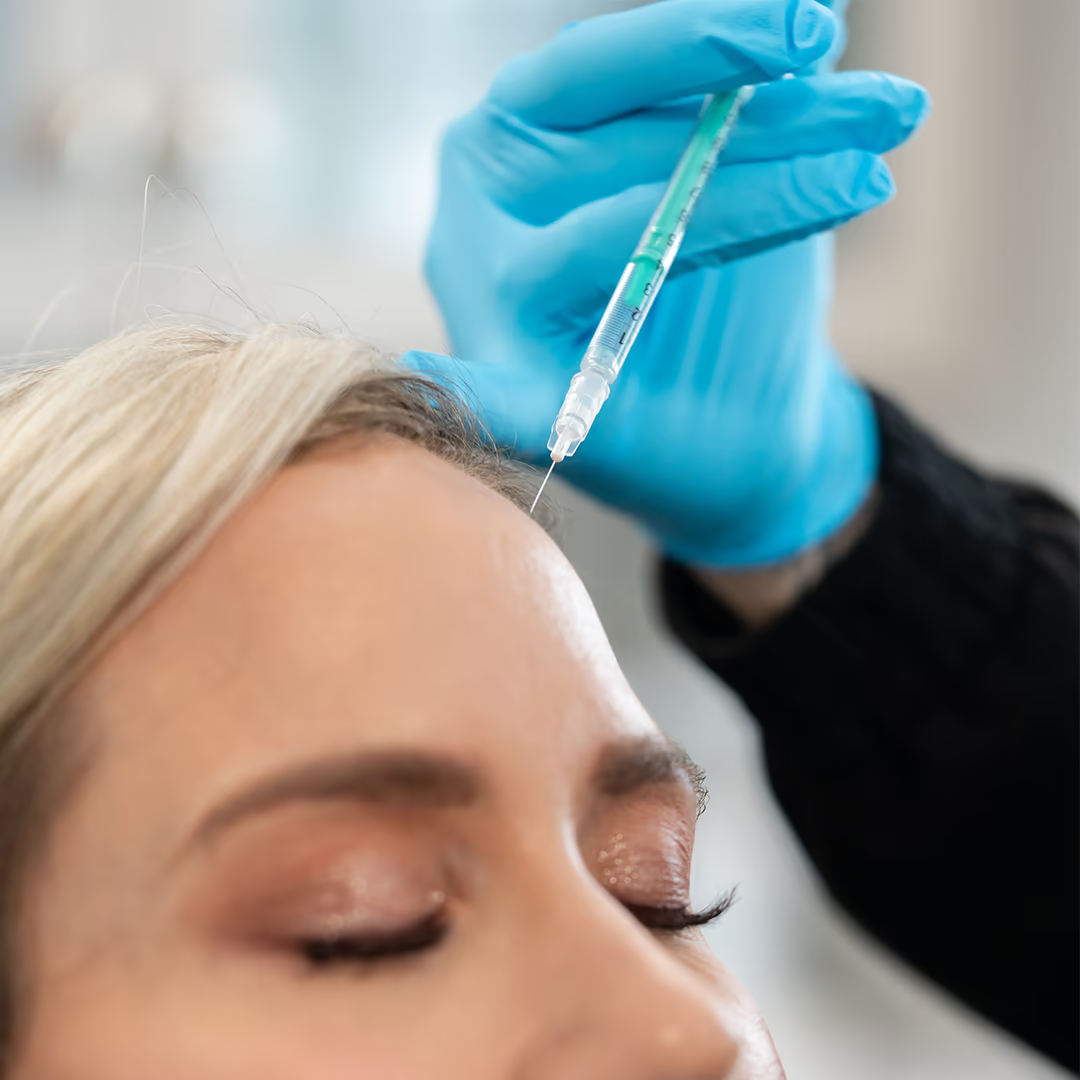
For clients whose sleep is disrupted by teeth grinding or jaw tension, masseter Botox can address the muscular driver and indirectly improve sleep.
For suspected sleep apnea (loud snoring, witnessed apnea, daytime exhaustion), we refer to sleep medicine. This is essential medical care that we don't replace.
For insomnia without clear physical drivers, we recommend cognitive behavioral therapy for insomnia (CBT-I) and may refer to primary care or sleep medicine.
At RN Esthetics, every treatment starts with listening. We are nurse practitioners, registered nurses and estheticians who treat every client as the hero of their own story.
.png)

Had my first blood draw today with it was INCREDIBLE!!! Also the front desk were all so pleasant especially Kelsie! I highly recommend RN Esthetics!!

I was truly blown away after my appointment here. Every single person I interacted with, from the front desk to the providers who handled my treatments, was incredible! They made me feel so welcomed and cared for, and were both informative and genuinely kind. The space itself is spotless, cozy, and easily the most inviting place I’ve ever been for Botox. Michelle did my Botox and she was amazing! I also had a hydrafacial and dermaplaning, and I already can’t wait to come back again and again.You will not regret booking here!

I highly recommend RN Esthetics! The staff is welcoming, knowledgeable, and helpful without making you feel rushed. The facility is spotless and clean, which made me feel even more comfortable and confident being there. Great experience overall!